PhD student representatives:
- Claudia Marino (claudia.marino@dottorandi.unipg.it)
- Emanuele Ruiu (emanuele.ruiu@dottorandi.unipg.it)
In the 39th, 40th and 41st Cycle, a scholarship is funded by the  SUPER-C project, selected for the MUR 2023-2027 Departments of Excellence
41th Cycle
|
Michela GIGANTE
|
Contatti Email michela.gigante@dottorandi.unipg.it Linkedin www.linkedin.com/in/michela-gigante-265b93245 |
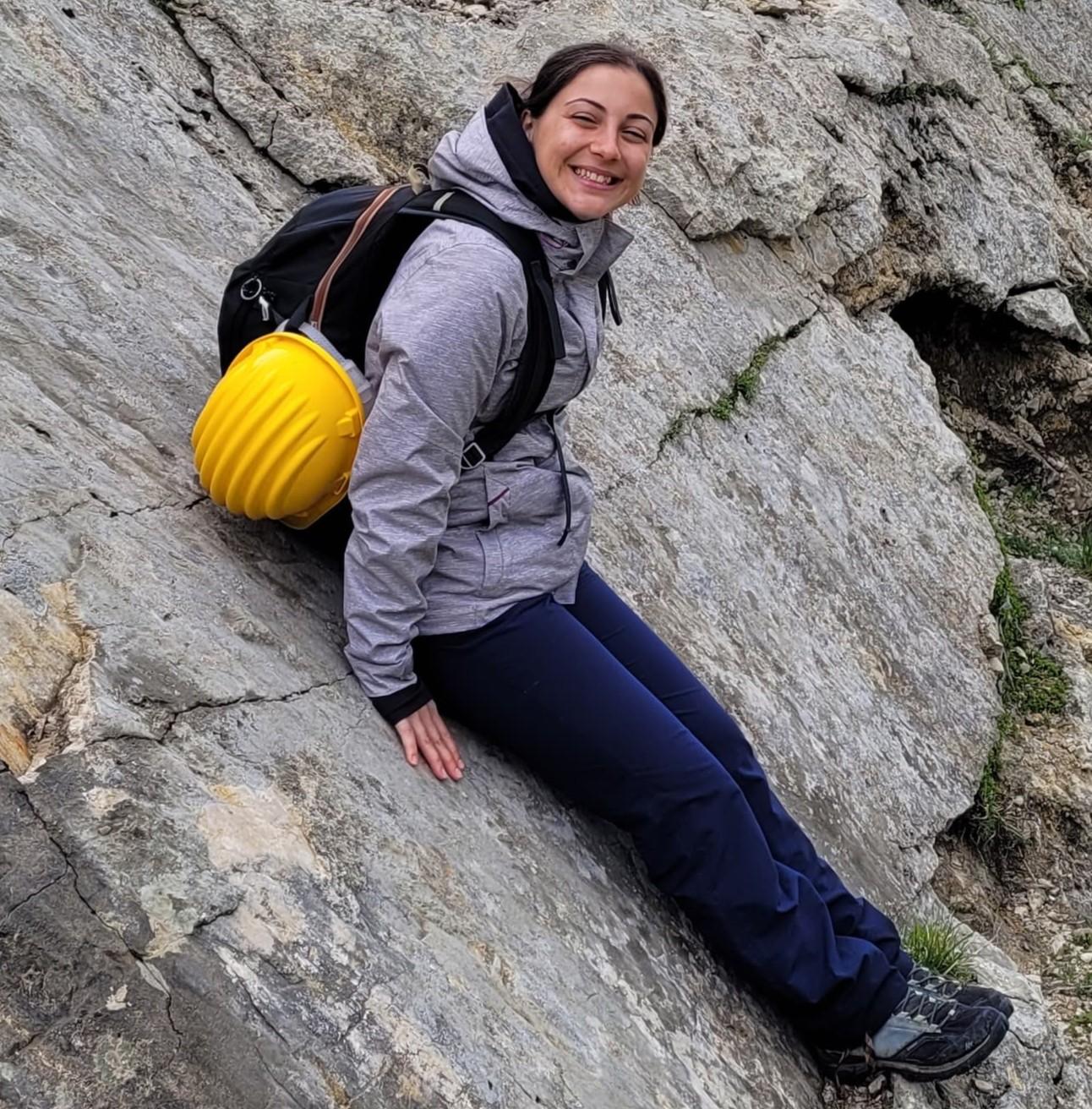
Scholarship funded by UniPg
Supervisors Prof. Francesco Mirabella (University of Perugia)
Project Title Integrating morphotectonic and Quaternary geological studies to investigate fault activity across long to short timescales
Description
Central Italy represents one of the regions with the highest seismic hazard in the Mediterranean area, characterized by a post-collisional extensional regime that has produced complex active fault systems. In this framework, morphotectonic analysis plays a key role in identifying signatures of recent deformation through the study of river-network anomalies, incision rates, fault-scarp morphology, and landscape features shaped by Quaternary tectonics. At the same time, intramontane basins of the Apennines record the evolution of active structures within their sedimentary infill: lithologies, thicknesses, ages, and depositional environments provide fundamental constraints for reconstructing fault-activity phases, slip rates, and kinematic variations over time.
The main objectives of my PhD project are to identify morphotectonic evidence of recent faulting, characterize the Quaternary basin infill, and compare slip rates across different temporal and spatial scales, including the evaluation of analogous case studies. The methodological approach integrates detailed geological and structural field surveys, geophysical investigations, numerical dating techniques, and high-resolution LiDAR topographic data, combined with computational tools for automated fault-scarp segmentation and geomorphometric parameter extraction.
Expected outcomes include the development of tectono-sedimentary evolutionary models, new chronological and kinematic constraints, and contributions useful for improving the characterization of active faults and seismic-hazard assessment.
|
Claudia MARINO
|
Contatti |
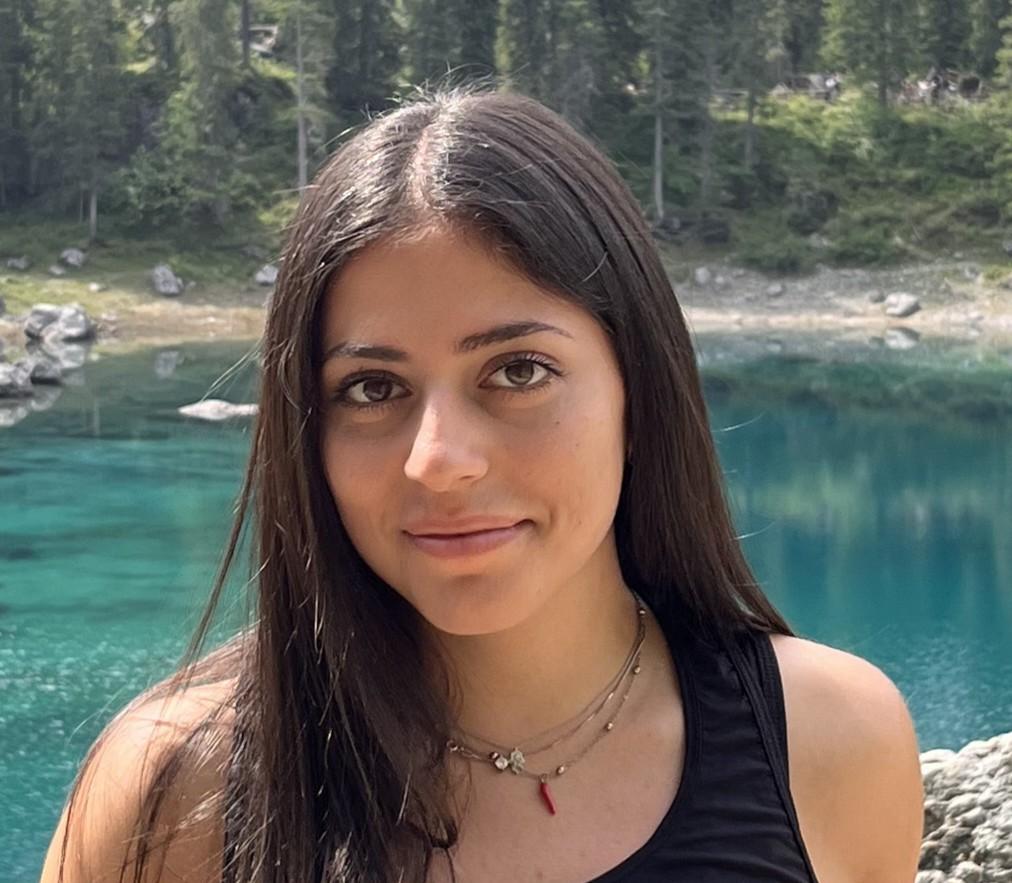
Scholarship funded by UniPg
Supervisors Prof.ssa Giulia Margaritelli (University of Perugia), Prof. Roberto Rettori (University of Perugia), Prof. Fabrizio Lirer (University Roma 1)
Project Title The Quaternary climatic change in the Mediterranean deep-sea record: the planktonic foraminifera response
Description
The Earth’s climate is a dynamic system that has been characterized by cyclical shifts between glacial and interglacial phases, especially during the Quaternary, with significant effects on different ecosystems and biota.
The fossil archive represents the most valuable analytic tool for advancing the investigation the Earth’s climate system and improving predictions of its future evolution, which today constitutes a major priority for the scientific community.
The study will be based on an integrated approach, combining micropaleontological, stable isotopes and geochemical analyses on samples from three key marine sites, situated in eastern and western Mediterranean basins.
The main goal of my research project is to reconstruct the climatic evolution of the Mediterranean over the last 2.3 million years (Ma), with particular attention to the onset of Northern Hemisphere ice-sheet expansion around 1.8 Ma, by analyzing how planktonic foraminifera communities and oceanographic conditions responded to major Quaternary climate perturbations.
Other specific objectives include the reconstruction of the planktonic foraminiferal biostratigraphy over the last 2.3 Ma in the Mediterranean basin and the reconstruction of the stable isotope stratigraphy and the SST (Sea Surface Temperature) of the selected deep-sea marine cores.
|
Filippo MORTARO
|
Contatti |

Scholarship funded by UniPg
Supervisors Prof.ssa Paola Comodi (University of Perugia), Prof.ssa Azzurra Zucchini (University of Perugia),
Project Title Waste valorization through Accelerated Carbonation: An Approach to Decarbonized Cement and Circular Economy
Description
My PhD project aims to mitigate the significant environmental impact of the cement industry, which contributes to approximatively 7% of global CO₂ emissions and to manage the over 10 billion tons of waste generated annually. The project seeks to reduce the clinker content in cement production through the reuse of industrial waste, while simultaneously leveraging Carbon Capture and Storage (CCS) via accelerated mineral carbonation.
The research involves studying and optimizing the reactivation methods for various types of waste, such as Construction and Demolition Waste (C&DW), Recycled Concrete (RC), Fly Ash (FA) from different sources (such as biomass residues and municipal solid wastes) and Steel Slag (SS), and evaluating their potential as Supplementary Cementitious Materials (SCMs) for incorporation into cementitious mixtures. Subsequently, the cementitious materials will be subjected to carbonation processes to investigate the formation and growth mechanisms of the carbonate phases in relation to the cement phases, to assess the effect on physical properties and durability and to evaluate the effective CO₂ capture capacity.
The ultimate goal is the formulation of recipes that maximize both the substitution of clinker with waste and CO₂ capture, while maintaining or possibly improving the mechanical performance of the cementitious
|
Samuele OTTAVIANI
|
Contatti |
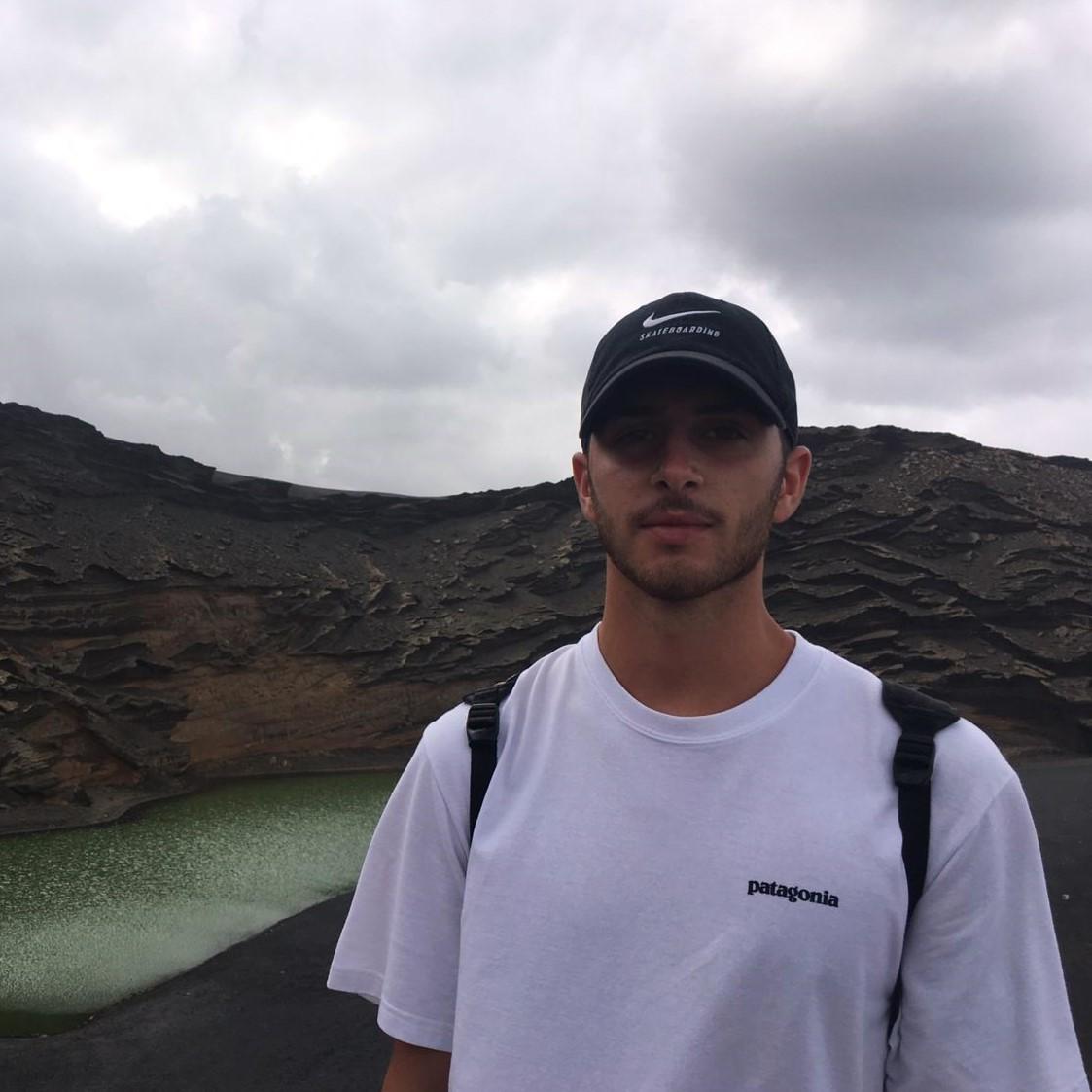
Scholarship funded by SUPER-C
Supervisors Prof.ssa Carla Tiraboschi (University of Perugia)
Project Title Cosmochemical Analysis of Meteorites and Micrometeorites: Insights into the Formation and Evolution of Planetary Bodies
Description
Meteorites and micrometeorites are interplanetary rock debris captured by Earth's gravity and recovered at its surface. By definition, meteorites are larger than 2 mm, while micrometeorites exhibit a size range from 2 mm to 10 m.
The study of extraterrestrial materials helps us to understand the chemical origin of the Solar System and determine the chronology of its forming events. They also reveal the origin and geological evolution of their parent bodies, as well as the collision history and dynamics of planetary bodies and interplanetary dust, thereby contributing to our understanding of Earth’s global geochemical budget.
This project aims to analyse the textural, chemical and mineralogical composition of these extraterrestrial materials using a multidisciplinary approach based on various analytical techniques (e.g. SEM, FTIR spectroscopy, LA-ICP-MS, EPMA). We will focus on achondritic and planetary meteorites, which are stony meteorites formed through metamorphic and igneous processes. These samples provide essential information on the origin and differentiation of asteroidal and planetary bodies. A further objective is to integrate the insights gained from the study of these meteorites with the production of meteorite simulants using high-temperature furnaces.
|
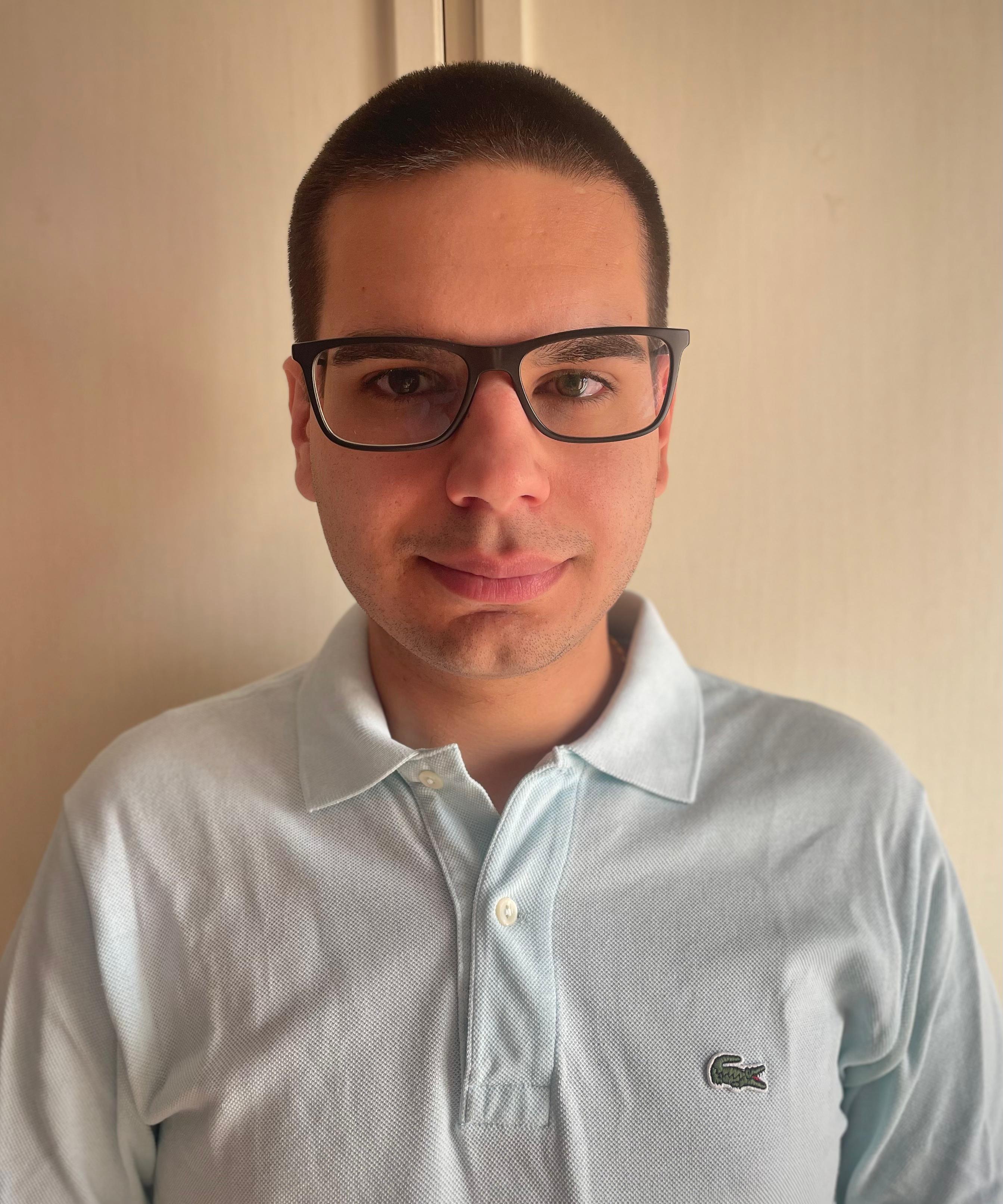
Emanuele RUIU
|
Contatti Email emanuele.ruiu@dottorandi.unipg.it |
Scholarship funded by UniPg
Supervisors Prof.ssa Amalia Spina (University of Perugia), Enrico Capezzuoli (University of Florence), Gabriele Gambacorta (University of Florence), Nicoletta Buratti (TotalEnergies SE, Centre Scientifique & Technique Jean Féger, France)
Project Title Integrated platform/basin biostratigraphy and chemostratigraphy across the “mid-Cretaceous”
Description
My PhD project investigates the ecological dynamics associated with mid-Cretaceous Oceanic Anoxic Events (OAEs) in the Tethyan realm. During this period, extreme greenhouse conditions made oceans particularly sensitive to environmental change, leading to widespread reductions in oxygen levels and the formation of organic-rich black shales. These intervals provide an ideal case study to explore how climate disturbances affected both marine and terrestrial ecosystems. The focus will be on reconstructing paleo-floral and phytoplanktonic changes by analyzing pollen, spores and dinoflagellate cysts preserved in sedimentary successions within sections from the Tethyan area. This approach will help identify shifts in vegetation, variations in marine productivity and stress signals within ecosystems. Traditional palynological techniques will be combined with geochemical analyses, such as carbon-isotope measurements (δ¹³Corg), to trace perturbations in the carbon cycle and refine the identification of OAE intervals and correlate them among the different sections. Additional information on palynomorph preservation, palaeoclimatic and palaeoenvironmental conditions will be obtained through advanced methods such as SEM imaging, micro-FTIR spectroscopy and TEX₈₆ palaeothermometry, which will also provide estimates of sea-surface temperatures. Together, these data will improve our understanding of how extreme climate events affected ecosystems in different parts of the Tethys.
40th Cycle
|
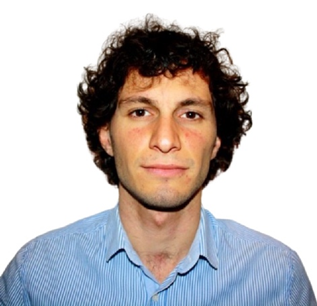
Riccardo GASPARI
|
Contatti |
Scholarship funded by: PNRR cofin da EagleProjects D.M. 630/2024
Supervisors: Prof. Massimiliano Porreca (UniPG); Dr. Shaila Amorini (EagleProjects)
Title: Use of SAR (Synthetic Aperture Radar) Interferometry Techniques for the Study of Earthquake Precursors
Description:
My PhD project focuses on ground deformation analysis during seismic cycles to identify temporal patterns and understand their causes across different tectonic settings. The main goal is to monitor the spatial and temporal evolution of deformation using DinSAR (Differential interferometry synthetic aperture radar) data, with particular attention to detecting changes in deformation rates over extended periods. By analyzing time series, we aim to identify recurring deformation patterns linked to specific phases of the seismic cycle, such as interseismic, coseismic, and postseismic periods.
To achieve this goal, the project will be carried out in two main stages. In the first stage, data from the Sentinel and Cosmo-SkyMed satellites will be processed to obtain detailed DinSAR data. High-resolution deformation maps will be generated using ESA SNAP software, enhanced with the SnapP2DQuake tool, and time series will be constructed applying the SBAS (Small Baseline Subset) algorithm to identify trends and changes in deformation over time.
In the second stage, the deformation data will be integrated with geological data from surface and subsurface studies to develop a holistic geological model. The integration will involve combining satellite deformation data with field observations, geophysical surveys and other geological data.
If the expected results identify well-defined deformation trends, they could serve as key parameters for monitoring earthquake cycles and improving earthquake forecasting methods.
|
Camilla GENTILI
|
Contatti |

Scholarship funded by SUPER-C
Supervisors: Prof.ssa Carla Tiraboschi (UniPg); Prof. Diego Perugini (UniPg)
Title: Space weathering of planetary materials: impact on spectral response and production of new nanomaterials for extraterrestrial habitats
Description:
Space weathering is one of the most common surface process occurring on atmosphere-free bodies; it is caused mainly by solar wind irradiation and the impact of micrometeoroids. Solar wind, cosmic rays and micrometeoroids bombardment cause irreversible chemical and mineralogical modifications at the micrometer and manometer scale with the formation of iron nanoparticles, melting, recrystallisation and other solid-state shock effects.
The objectives of this project are: study the spectral response of geological materials before and after the effects of space weathering, verify and reproduce the formation of nanoparticles in the laboratory and use nanostructured catalysts based on metal oxides (Fe, Ni, Al, Zn, Ti) for energy storage.
|
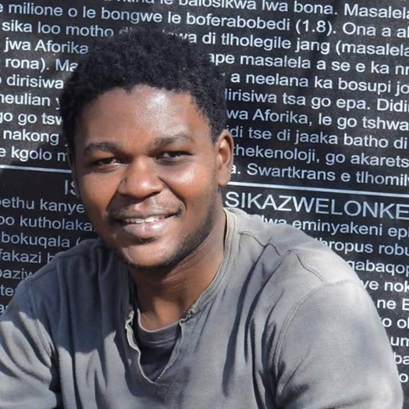
Jackson S. KIMAMBO
|
Contatti Skype: jackson kimambo |
Scholarship funded by UniPg (foreign students)
Title: The paleontological record of Olduvai Gorge (Tanzania): a treasure trove of paleoenvironmental information on the eastern African Quaternary
Description:
My PhD project is focused on Olduvai Gorge, an outstanding geosite known for its extraordinary evidence of human biological and cultural evolution over the last 2 million years (Ma). The Olduvai volcaniclastic sequence is divided into seven stratigraphic units (Bed I–IV, Masek, Ndutu, and Naisiusiu Beds, from bottom to top). Since its discovery, paleontological, archaeological, and paleoanthropological efforts have been focused on the lower parts of Olduvai sequence (Beds I–II), which have yielded remarkable evidence of Early Stone Age and archaic hominins species. In contrast, the upper sequence of Olduvai Gorge has received little attention despite its significance to understanding some key transitions in human evolution (eg, the emergence of Homo sapiens). My proposed study will conduct a systematic review and analysis of paleontological material recovered from the upper part of the Olduvai Gorge stratigraphic succession. To achieve this, I will integrate fieldwork and historical samples collected by previous projects curated in various museum in Tanzania and Europe. Ultimately, my study will (1) provide the first comprehensive study and taxonomic identification of many Olduvai fossils, which is a crucial step in understanding their paleoenvironmental and biochronological significance; (2) provide detailed reconstructions of the Olduvai paleoenvironmental changes and faunal turnover over the last 1 Ma; (3) identify any cultural changes evidenced by the hominin-made stone tool record, such as transition from Middle Stone Age to Later Stone Age and its associated hominin’s behavioral repertoire; and (4) help reconstruct the depositional contexts of upper sequence of Olduvai Gorge deposits.
|
Gabriele SCOGNAMIGLIO
|
Contatti |

Scholarship funded by ASI
Supervisors: Prof. Diego Perugini (UniPG); Dr. Angelo Zinzi (ASI)
Project title: Experimental petrology approaches to lunar volcanism: the case study of Lunar Sinuous Rilles (LSR)
Description:
Application of several experimental (e.g. lab-made analogues in HT lab and their rheological characterization) and analytical methodologies (e.g. FTIR spectroscopy, EMPA, SEM) to lunar volcanism, with more regard for the case study of Lunar Sinuous Rilles (LSR). LSR are sinuous channels of varying widths and depths with parallel walls, often associated to morphologies that may be interpreted as their potential source vents. These channels are the result, as far as we know, of dominantly thermal erosion of the preexisting lunar surface by lava flows.
The main objectives of this project are the creation of lab-made lunar analogues and their rheological and spectral characterization (together with the creation of a solid reference database) and the numerical modelling of lunar lava flows considering the environment constraints.
The expected outcomes for this research project include a detailed understanding and knowledge of the phenomena behind the Lunar Sinuous Rilles formation, knowing that an accurate characterization of these lunar sites will be also an important instrument to evaluate the possibility of an in situ resource utilization, as well as the evaluation of possible moon landing sites, in view of future lunar missions.
39th Cycle
|
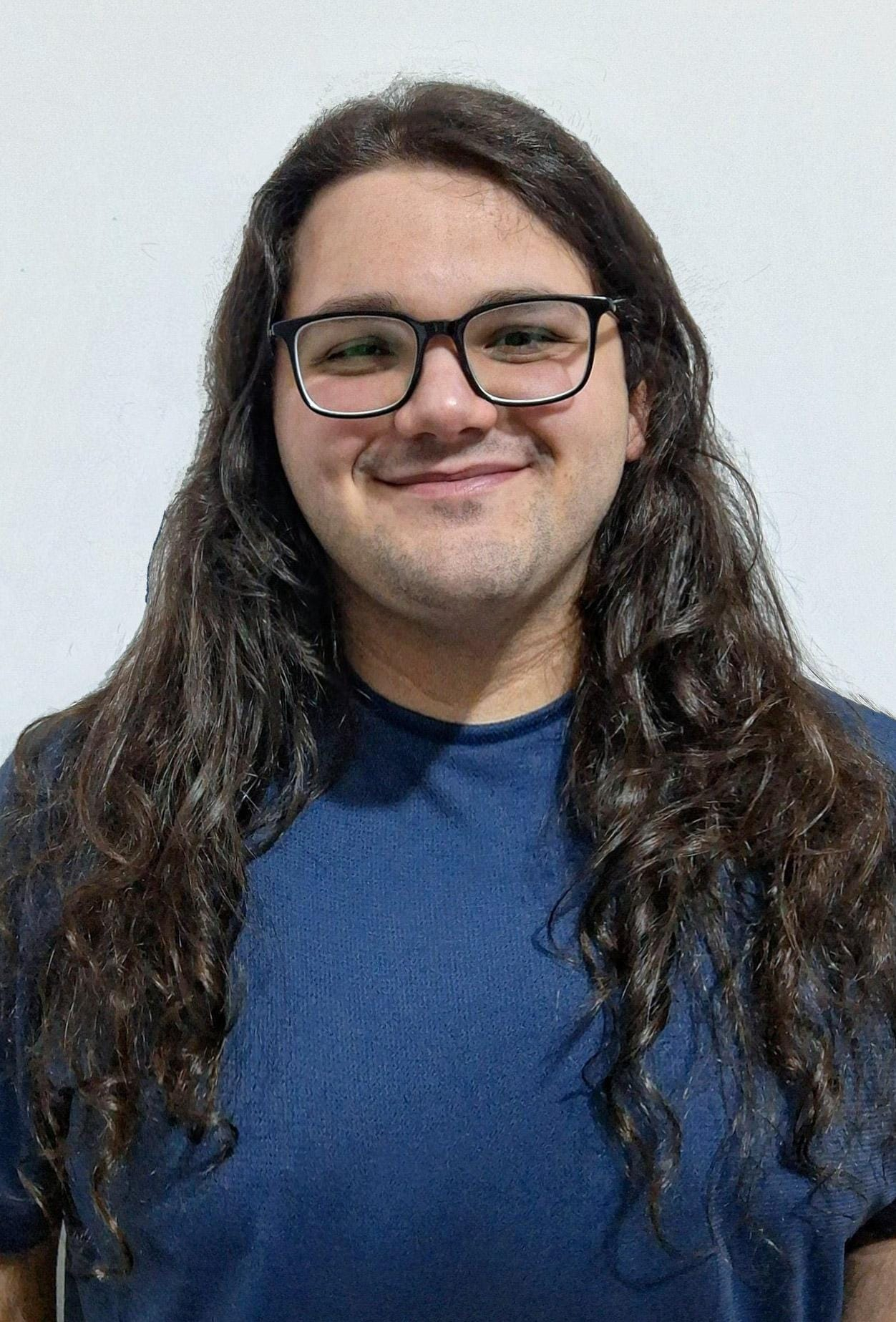
Giorgio ALAIA
|
Contatti Email: giorgio.alaia@dottorandi.unipg.it |
Scholarship funded by Dottorati Comunali initiative
Title: Non-DestructiveTesting techniques applied to the characterization of Cultural Heritage: case history of Museo della Castellina in Norcia
Description: Italy is one of the wealthiest countries in terms of buildings belonging to Cultural Heritage. Consequently, the preservation of historical and artistic legacy represents a matter of significant endeavour, particularly in the case of seismic events intensifying the necessity for safeguard strategies.
In such context, this PhD project, in collaboration with the Municipality of Norcia (PG), aims to characterize Norcia’s Museo della Castellina that, over the last centuries, has faced multiple reconstructions because of several seismic events and it is currently interdicted to the public after the 2016-2017 Central Italy earthquakes. Therefore, given its status, Non-Destructive Testing (NDT) techniques have been selected to assess the most deteriorated zones.
The main methodologies will be the ones typical of Applied Geophysics (e.g. Ground Penetrating Radar), however, due to the project's robust multidisciplinary nature, methods from other scientific fields will be integrated too. Finally, in the effort to reach the main goals, next to the standard geophysical procedures (i.e. in situ surveys), numerical modelling and laboratory activities will be employed to achieve a broader understanding of the topic.
|
Marco BARONI
|
Contatti |

Scholarship funded by SUPER-C
Title: Planetary studies for the compositional mapping of extraterrestrial bodies
Description: My PhD project focuses on the compositional characterization of volcanic terrains on various Solar System bodies, with a specific focus on the areas surrounding Martian vulcanic edifices such as Olympus, Thyrrenus and Hadriacus Mons.
The main goal of the PhD project is to produce detailed maps of these areas using the data from the Compact Reconnaissance Imaging Spectrometer for Mars (CRISM) mounted on the Mars Reconnaissance Orbiter (MRO).
Even if the instrument does not take data anymore since April 2023, it collected more than 10 Tb of data during its lifetime, thus providing us with many hyperspectral images of various terrains on the Martian surface to analyze this huge data mole.
I will implement techniques from big data analysis, from exploratory (PCA, clustering, etc...) to advance analysis methods such as machine learning (random forest, supervector machines, CORELS, etc..) and neural network (FFNN, CNN, RNN, etc...) algorithms.
I will integrate also spectral reference data collected by the PVRG (Petro Vulcanology Research Group) regarding silicate glasses (amorphous) volcanic products and remote sensing spectral analysis of hyperspectral images from the ASI instrument PRISMA as a comparative analogue for the future obtained CRISM spectra.
Moreover, a possible secondary goal of this project is to try to use the obtained spectra to infer the degree of crystallization of the magmatic areas with different age to try to obtain information about the past atmospheric density of the Red Planet, thus using the lava crystallization level as a proxy for atmospheric density.
|
Nilya BENGÜL
|
Contatti Email: nilya.bengul@dottorandi.unipg.it |
Title: Deep Past Climate Research for the Current and Future Climate Scenarios
Description:By studying the Earth's history and past climate dynamics, researchers gain valuable insights into the complex interactions between the atmosphere, oceans, land, and living organisms. This information helps in developing climate models and projections for the near future.
The project concentrates on investigating two specific geological periods: the late Permian, and the Late Triassic. These intervals are characterized by significant ecosystem crises that led to two of the most critical mass extinction events in the Phanerozoic eon. The research aims to examine the geological and climatic conditions during these two periods to gain insights into the causes and consequences of these ecosystem crises. It outlines key research objectives, including identifying the causes of hyperthermal events, understanding ecosystem responses to global warming, assessing the impact of disturbances, and providing data for modeling future climate scenarios.
The research will adopt a multidisciplinary approach, combining various scientific fields such as sedimentology, sedimentary petrography, geochemistry, and organic matter studies.
|
Elham SAFARZADEH
|
Contatti Email:elham.safarzadeh@dottorandi.unipg.it |
Title: Recent seismotectonic evolution of central- Northern Adriatic microplate: geophysical and geological-structural studies to develop inventory maps of potential sites for CCS in the Adriatic Sea area
Description:This Project focuses on geophysical and geological-structural studies aimed at creating inventory maps of potential Carbon Capture and Storage (CCS) sites and identifying active fault systems in the Adriatic Sea area, particularly in the central-northern Adriatic region. Geophysical studies are essential for identifying appropriate geological formations to store CO2 effectively. These studies employ imaging techniques to map subsurface structures and pinpoint potential reservoirs for CO2 storage. Geological-structural assessments further analyze the geology of these sites, evaluating their capacity and integrity for long-term CO2 storage. By combining geophysical and geological structure data, inventory maps are created, highlighting regions with favorable geological conditions for implementing carbon capture and storage (CCS) initiatives.
|
Mauro TIERI
|
Contatti:Email: |

Title: Study of the river geochemistry in tectonically active regions for the investigation of seismicity and the quantification of deep CO2 emission
Description: The objective of this research project is to study the CO2 Earth degassing process in central Italy and its correlation with seismicity by investigating river waters. The focus is on developing geochemical approaches for quantify the deep CO2 emissions on a large scale for monitoring the seismic activity.
The involvement of CO2-rich fluids in Apennine seismicity has been recently demonstrated. Specific geochemical investigations of the Apennine groundwater have shown strong variations in the emission of deep CO2 associated to the recent strong earthquakes suggesting non-casual relationships between the two phenomenologies. Preliminary studies of river waters showed that the river water is capable to preserve for long distances the geochemical features related to the input of CO2 rich groundwater. High-frequency monitoring of geochemical parameters of river water would promote understanding of cause-effect relationships between CO2 degassing and seismicity, and the development of a multiparametric network for seismic activity in the region, which represents a task for the INGV. For this purpose, multidisciplinary approaches will be used for system characterization: river geochemistry will be studied together with hydrogeological and geological data, geochemical modelling and data analysis. Sensors will be installed in selected sites for the implementation of the geochemical network, thanks to the collaboration of INGV.
|
Hadayat ULLAH
|
Contatti: Email:hadayat.ullah@dottorandi.unipg.it |
Title: Thin-skinned vs thick skinned anticlines in Foreland Fold-and-Thrust Belts: modelling the style of deformation of the Umbria-Marche anticlines by integrating Geological and Geophysical data
Description: The style of deformation of the Umbria-Marche fold-and-thrust belt has been debated for a long time. Like for many other fold-and-thrust belts worldwide (Poblet & Lisle, 2011, Pfiffner, 2017), contrasting thin-skinned and thick-skinned modes of deformation has been proposed (Barchi & Tavarnelli, 2022). The project is aimed to build-up a comprehensive model of the Umbria-Marche folds, by integrating data from different sources: surface geology from both original field mapping and pre-existing maps; deep boreholes; seismic reflection profiles; other geophysical surveys and elaborations. The full geometry of an “ideal”, representative anticline, obtained by this integrated model, will be tested kinematically (e.g. by classical restoration/balancing techniques) and mechanically (e.g. by numerical modelling). Important practical applications of a correct identification of the deformation style include the characterization of the carbonate reservoirs, hosted in the anticline cores, as well as the estimation of seismic hazard in Po Plain/Adriatic foreland. The results of the study will be compared with other case histories worldwide, taken from foreland fold-and-thrust belts deforming carbonate successions.
38th Cycle
|
Giulia FISAULI |
Contacts: Email: giulia.fisauli@dottorandi.unipg.it |

Title: Tephra characterization from different natural archives for the study of the impacts of explosive eruptions and past atmospheric circulation paths
Description: The PhD project is focused on the study and characterization of tephra (i.e. unconsolidated clastic material produced by a volcanic eruption) from different geological records, such as ice cores and marine sediments, for the study of the impact of explosive eruptions.
By analyzing and characterizing the tephra and their dispersion it will be possible to obtain important volcanological information such as the age, the volcanic source, the chemical evolution of the magma, the eruptive dynamics and the intensity and magnitude of the eruptions. Tephra also provide time-stratigraphic constraints both for geological and environmental events useful both for paleoclimatic and paleoenvironmental reconstructions. In addition, studying the tephra dispersion will provide important information on the study of past atmospheric circulation paths.
I’ll carry out geochemical analyses both for major and trace elements (EPMA and LA-ICP-MS respectively) and 40Ar/39Ar dating techniques.
|
Elia PANDOLFI BALBI |
Contacts: Email: elia.pandolfi@dottorandi.unipg.it |
Title: Reuse of industrial and domestic waste in the construction of road pavements
Description: Recent international commitments are promoting the use of renewable energy sources to making possible the recycle of waste and to reducing use of fossil fuels for lower carbon dioxide emissions. Following these aims biomass-fueled thermal power plants should be increase, generating many waste of ashes need to be recycled. My project is to develop of strategies to reuse industrial and domestic biomass ashes waste in road building as stabilizing agents and filler. My phd will be founded half by Pavi company which is performer of pavements roads. The project will be followed by the collaboration between the Physics and Geology Department, where I will carry out chemical-mineralogical analysis, to check the formations of cement compounds within treated lands, and Pavi Company, where I will perform structural engineering analysis to verify the improvements of geotechnical properties within treated lands provided by the company. Additional analyses will be carried out at Viaria laboratory, Civil and Environmental Engineering Department, and dedicated to the characterization of materials used in road pavements. This way the chemical-physical processes occurring with the addition of biomass wastes, in the different layers of road pavements will be
|
Elpiniki Maria PARPAROUSI
|
Contacts: Email: elpinikimaria.parparousi@dottorandi.unipg.it |
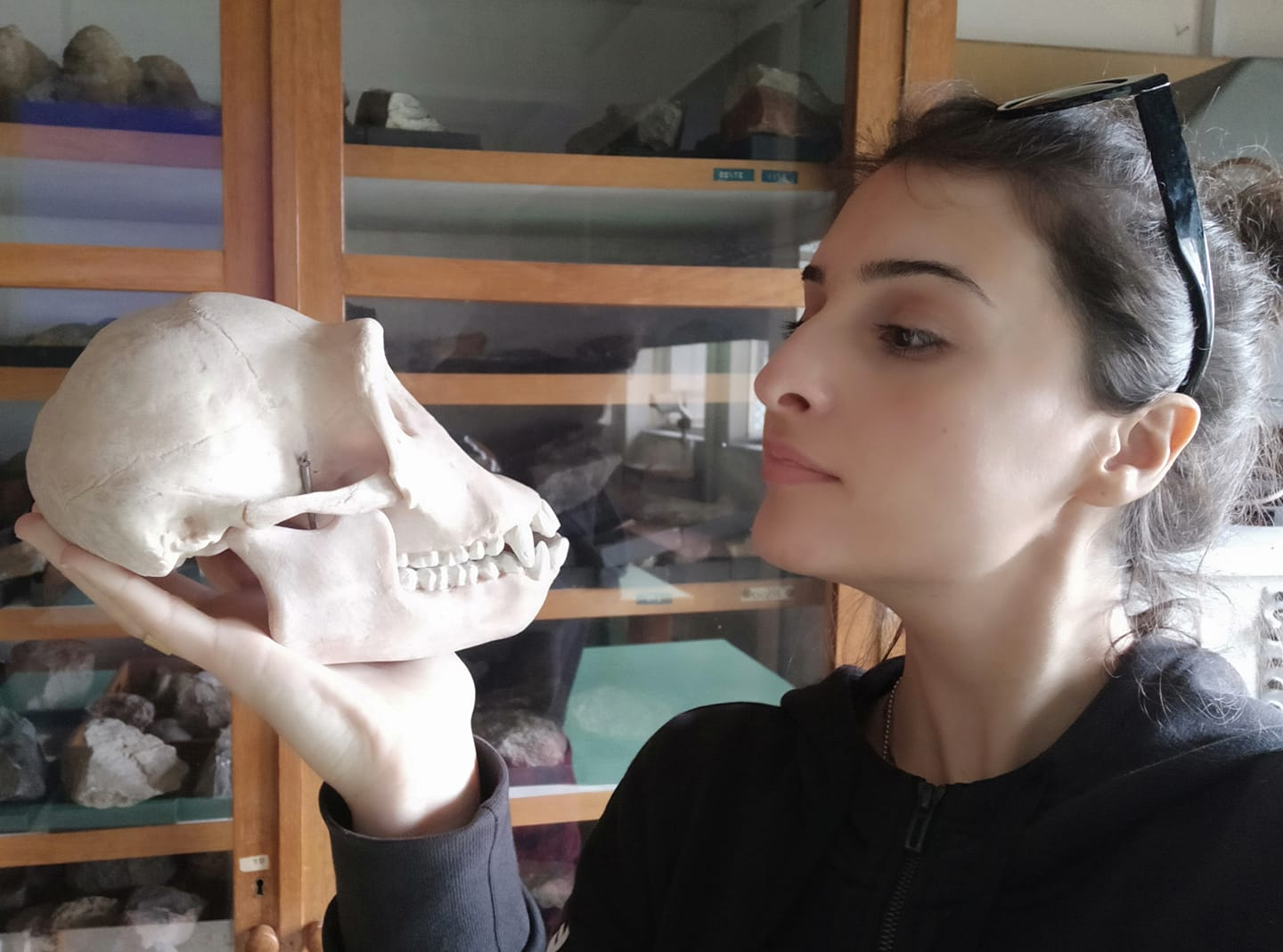
Project title: Research and conservation strategies for the paleontological heritage: case studies from Umbria
Abstract: Umbria represents an area of extreme interest for paleontological studies, especially with regard to marine and continental vertebrates of the Pliocene and Pleistocene (last 3 million years approximately). In spite of the great abundance of fossils, also of international scientific importance, the study of some collections is still at a preliminary stage. At the same time, the problem of the conservation of this important heritage has never been addressed, especially considering the multifaceted range of taphonomic contexts from which the fossils come. Through the identification of case studies from heterogeneous stratigraphic and taphonomic contexts, this project aims to provide on the one hand unpublished scientific data fundamental to the knowledge of the Umbrian paleontological heritage, on the other crucial information for its conservation, which can also be exported for other collections in Italy and abroad.
|
Haidra SALEH |
Contacts: |
Project title: Assessing large scale ecological responses to climatic change of Central Mediterranean area in the last 2000 years.
Project Description: This project will investigate the ecological dynamics across Central Mediterranean area in the last 2000 years. The semi-enclosed configuration of the Mediterranean Sea makes this a vulnerable region to modern, and also to past climate changes. Archaeological and historic studies and paleoclimatic data make this area a perfect case study to investigate the potential influence of climate on civilisations. The focus will consist in the reconstruction of paleo-floral dynamics. This approach will enable relationships within and between ecosystems, as well as periods of stability and periods of change. The method will mainly consist in the traditional – to reconstruct the vegetational paleo-community - and chemical palynology - to reconstruct past solar irradiance, specifically ultraviolet radiation at the local, habitat scale. Stable isotope analysis of C and O will establish the precipitation regime, the atmospheric CO2 concentration as well as nutrient supply and ecosystem productivity